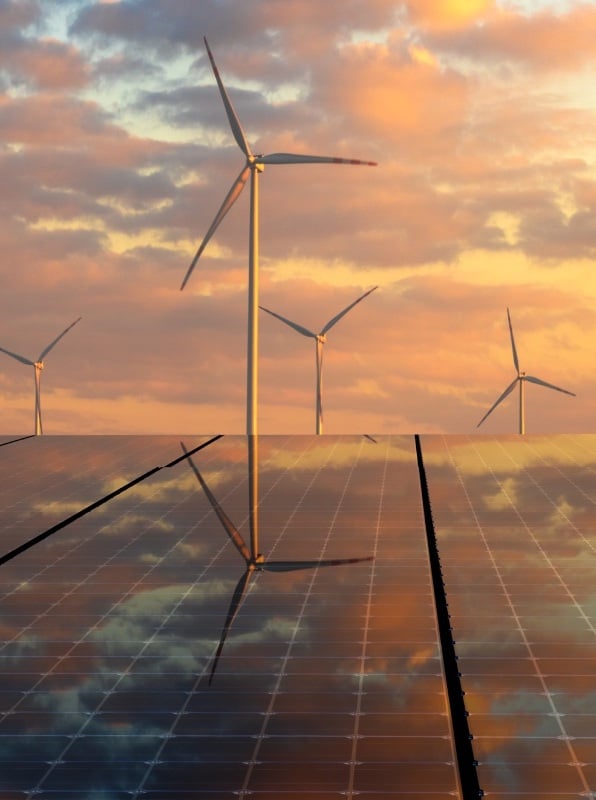
Zurich Canada urges action to protect clean energy
Zurich Resilience Solutions, a division of Zurich Canadian Holdings Limited (“ZRS”) and Zurich Insurance Company Ltd (Canadian Branch) (“Zurich Canada”) have jointly published a new report, Powering Through: Building Climate Resilience into Canada’s Energy Future, highlighting that Canadas clean energy systems will be increasingly vulnerable to climate-related threats if no action is taken. As renewable energy becomes the backbone of the country’s low-carbon economy, making this infrastructure more resilient is now critical.
The report analyzes over 1,000 power generation sites across all provinces. Using Zurich Resilience Solutions’ geospatial modelling tool, Climate Spotlight, the study assessed how climate hazards could affect renewable energy production and storage up to 2030 and 2050.
The findings offer valuable insights: renewable energy assets face physical climate risks that could impact Canadians’ way of life. If no resilience measures are in place, 40% of the total renewable generation capacity in Canada may face a ~25% chance of experiencing a major, relevant climate event by 2030. Without future-proofing resilience measures, energy generation and storage infrastructure across this country will face physical and financial risks.
This report highlights the critical need for adaptive strategies across regions and sectors to ensure our generation infrastructure remains robust, secure, and capable of withstanding climate pressures now and into the future.
The report warns that failing to adapt could jeopardize both the energy transition and energy security. To avoid this, Zurich calls for stronger collaboration between the public and private sectors. Key recommendations include:
- Improve climate resilience of existing assets: Risk preparedness is the first line of defense, and lowering exposure and vulnerabilities to evolving physical climate risks will help companies that own energy generation assets avoid losses and improve insurability.
- Adopt climate stress testing for new generation and storage assets: Understanding future risks and modeling the development of climate hazards should be a key part of any design decisions for new energy infrastructure.
- Embed resilience in planning and design processes: A clear, stable and predictable policy environment which embeds resilience as a key principle in the roll out of new energy infrastructure will support investment and encourage innovation.
- Improve data access and quality: Better access to public data will help refine risk modeling and enhance the development of open-source datasets on climate hazards.
- Unlock investment in resilience measures: A greater focus on resilience should secure insurability and support investment.
“The energy transition is a critical imperative for business, the economy, and society. While renewables are essential to this shift, our research shows Canada’s renewable infrastructure faces rising climate risks. By building resilience, we not only reduce those risks—we protect insurability and unlock continued investment in clean energy.”
Saad Mered, CEO, Zurich Canada
Further Information
The full report, Powering Through: Building Climate Resilience into Canada’s Energy Future is available for download on Zurich Canada’s website.
Methodology
The report Powering Through: Building Climate Resilience into Canada’s Energy Future used ZRS’ climate risk modeling to evaluate climate risks to energy assets in Europe. Sussex gathered asset data such as location and capacity through desktop research. Future climate hazards were projected using ZRS’s climate data and the IPCC scenario SSP2-4.5, which predicts a 2°C temperature rise by 2100. Zurich Resilience Solutions experts assessed the impact of these hazards on different assets to create a risk score, categorizing assets into five risk levels. The likelihood of climate events at asset locations was determined using Zurich's data. The report was developed by Zurich Resilience Solutions, Zurich Canada in collaboration with Sussex Strategy Group.
Download and read the full Energy Advisory Report: